
How to Start a Charter Fishing Business: Don't Buy the "Ego Boat" First.
The Hard Truth
You passed your exams, logged your sea time, and finally received your USCG Merchant Mariner Credential in the mail. You are officially a captain. Now, you want to look like one.
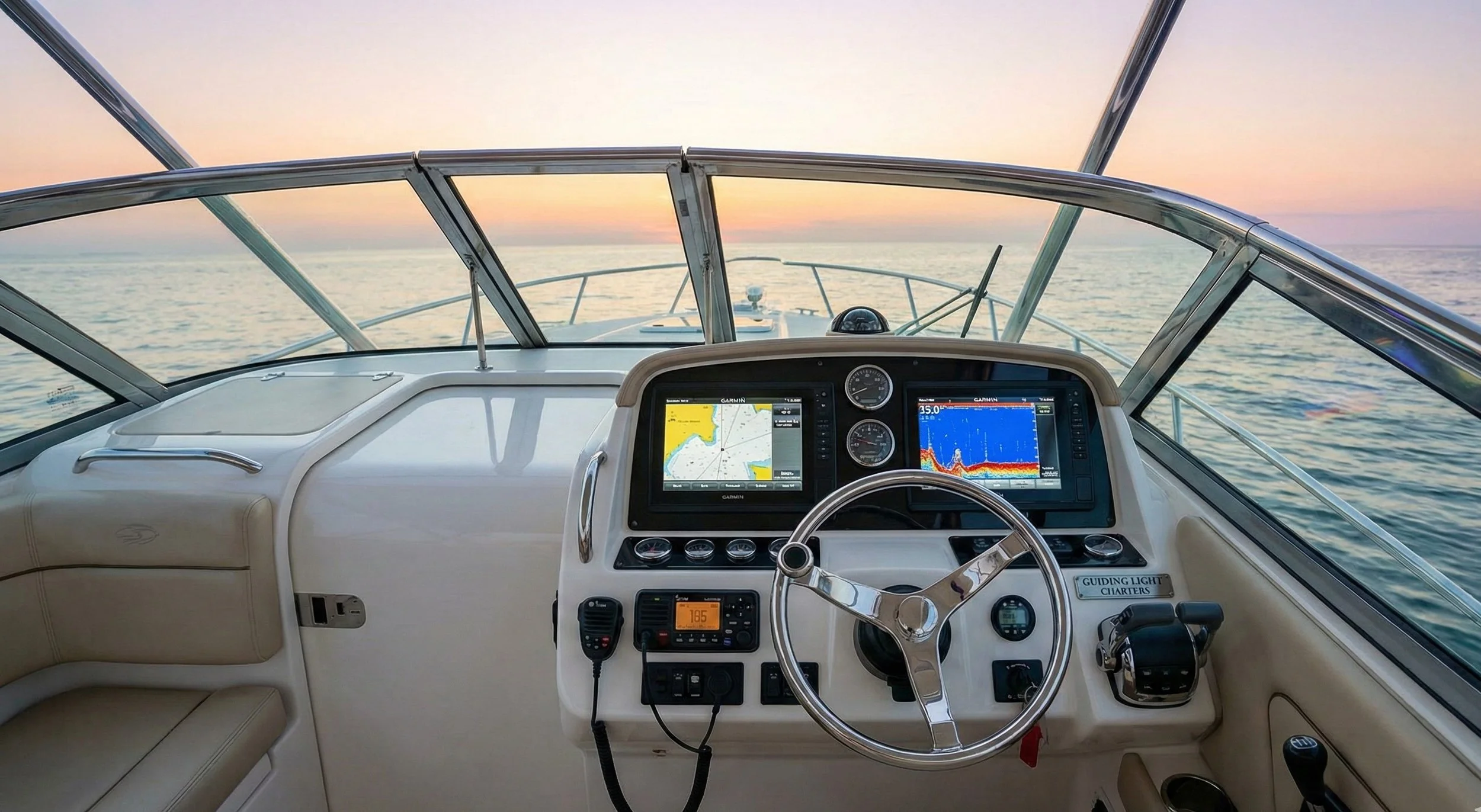
So, you head to the dealership or browse the brokerage sites. You find a massive, shiny 35-foot center console with triple outboards. You picture backing it into a premium slip at the most popular marina in town, turning heads, and waiting for the clients to walk down the dock with cash in hand.
Stop right there. The biggest mistake new captains make when figuring out how to start a charter fishing business is the "Ego Purchase." You convince yourself that you need an expensive boat so clients will take you seriously. In reality, you are just buying a debt anchor that will sink your business before it even leaves the dock.
The Foundation: Form the Company Before You Buy the Boat
Before you even look at a boat, you need a legal hull to put it in. Most new operators buy the boat in their personal name, start running trips, and default to a "Sole Proprietorship."
In the eyes of the law, a Sole Proprietorship means there is no difference between your personal savings and your business liability. If you buy the Ego Boat personally and an accident happens, lawyers won't just come after the vessel—they will come after your house and your truck.
Step one of starting a charter business is filing the Articles of Organization for your LLC (Limited Liability Company) and opening a dedicated business checking account. When it is finally time to buy a boat, the LLC buys the boat, creating a corporate veil that protects your personal life from your business risks.
The Debt Anchor and "Burnout Math"
The Ego Boat is the vessel you buy to impress other captains, not to service your actual client base. It is the boat you buy before you have the cash flow to support it.
Here is the business math that destroys new charter operations: Every dollar you spend on a massive boat loan, premium marina slip fees, and commercial insurance for a large vessel is a Fixed Cost. That means you have to pay that bill even if the boat never leaves the slip. You have to pay it if it rains for a week straight. You have to pay it in the dead of winter.
If your fixed costs are $3,000 a month, you wake up every single morning $100 in the hole before you even buy fuel or bait. This pressure forces you into "Burnout Math." You start taking cheap, discounted trips just to make the boat payment. You fish in terrible weather because you can't afford a cancellation. The boat ends up owning you.
The "Blue Ocean" Mobility Strategy
In every charter market, the most visible, popular marinas are saturated. They are dominated by veteran captains with decades of local reputation, established referral networks, and paid-off vessels. Competing head-to-head with them on Day One with a massive boat payment is a suicide pact.
To survive your first three years, you need Mobility.
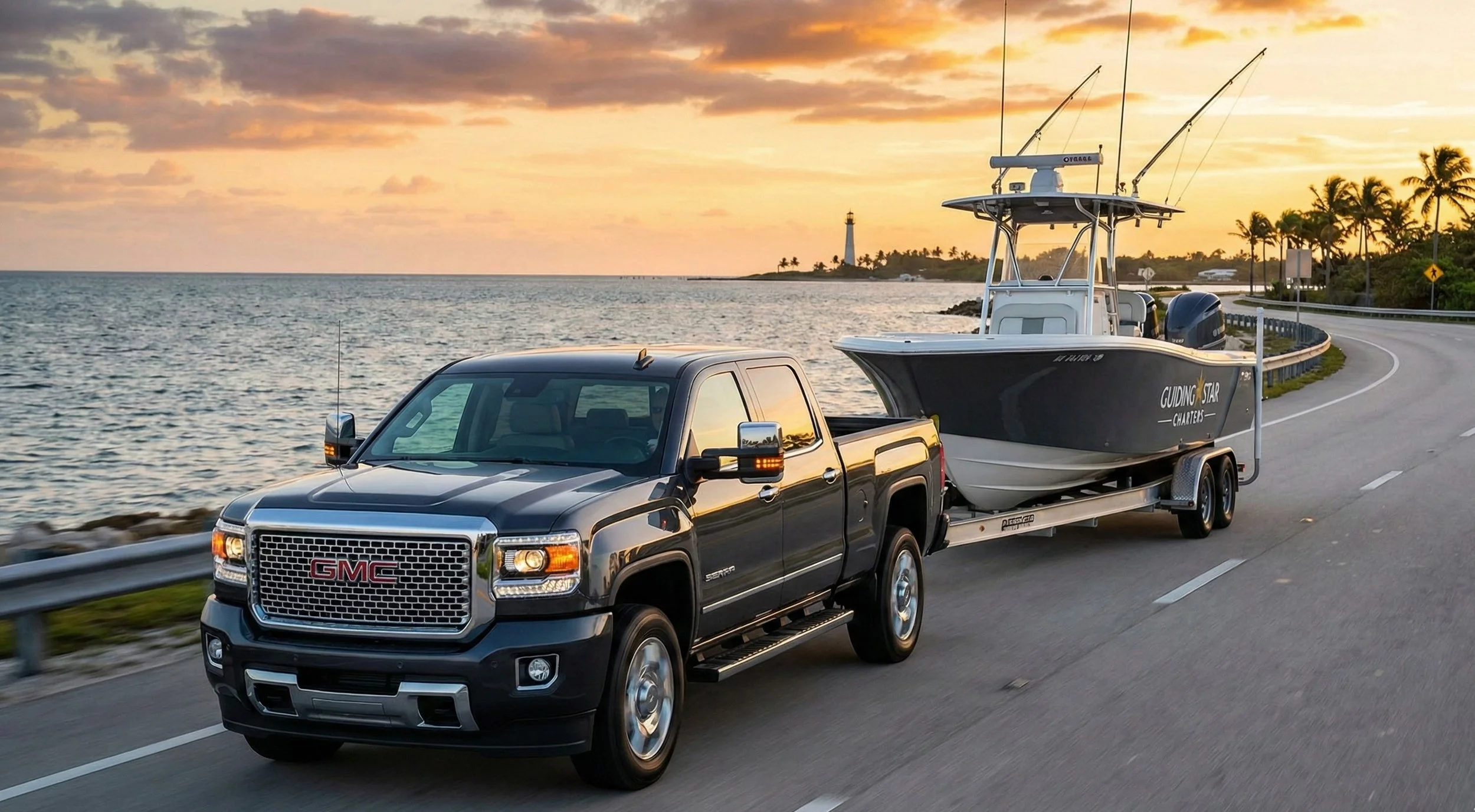
Instead of a 35-foot slip-queen, the smartest new operators start with a high-quality, trailerable vessel. The strategy is to "Run What You Brung." Start your business with a reliable boat you can afford right now, assuming it passes Coast Guard safety requirements.
When your overhead is low, your break-even point is low. This gives you the freedom to explore under-served waters, alternative launch points, or non-obvious fisheries without the pressure of needing immediate perfection. If the bite dies in your home port, you hook up the truck and trail to where the fish are. You find your "Blue Ocean" niche away from the crowded fleet.
Building the 10-Month Calendar
Mobility allows you to expand your season. If you are stuck in one premium slip, your business only makes money when the fish swim past your marina. By staying mobile in your early years, you can trail to different fisheries as the seasons change, building a "10-Month Calendar." You bridge the cash-flow gaps that put stationary captains out of business.
Mobility is a phase, not a prison. Start small, keep your fixed costs incredibly low, and focus entirely on building your brand, your P&L (Profit and Loss statement), and your email list. Prove the concept first. Let the business buy the upgrade in Year 3 or 4 with cash reserves, rather than using your personal credit score in Year 1.
Stop Guessing. Start Engineering.
Before you sign the paperwork on any vessel, you must know exactly how many trips it will take to pay for it.
Don't wait until the end of your first season to find out you are fishing just to pay the bank. You can calculate your exact break-even point and unit economics using The Captain's Financial Engine. This pre-built spreadsheet calculator is the central nervous system for your business math. You can download the Financial Engine on its own today for just $37, or get it included when you enroll in the full Academy.
About Captains Business Academy
We don't teach you how to catch fish; you already know how to do that. We teach you the business systems, financial engineering, and legal structures required to turn a fishing habit into a profitable enterprise. View the Course Curriculum
Ready to Stop Guessing?
Most captains run their business by "feeling." We run ours by the numbers. If you are ready to install a professional operating system for your charter business, join the Academy today. You'll get instant access to the Financial Engine Calculator, the marketing templates, and the compliance checklists. Enroll in the Academy
The information provided in "From the Helm" is for educational purposes only and does not constitute legal, tax, or financial advice. We are experienced captains and business owners, not attorneys or CPAs. Always consult with a qualified professional regarding your specific business situation.